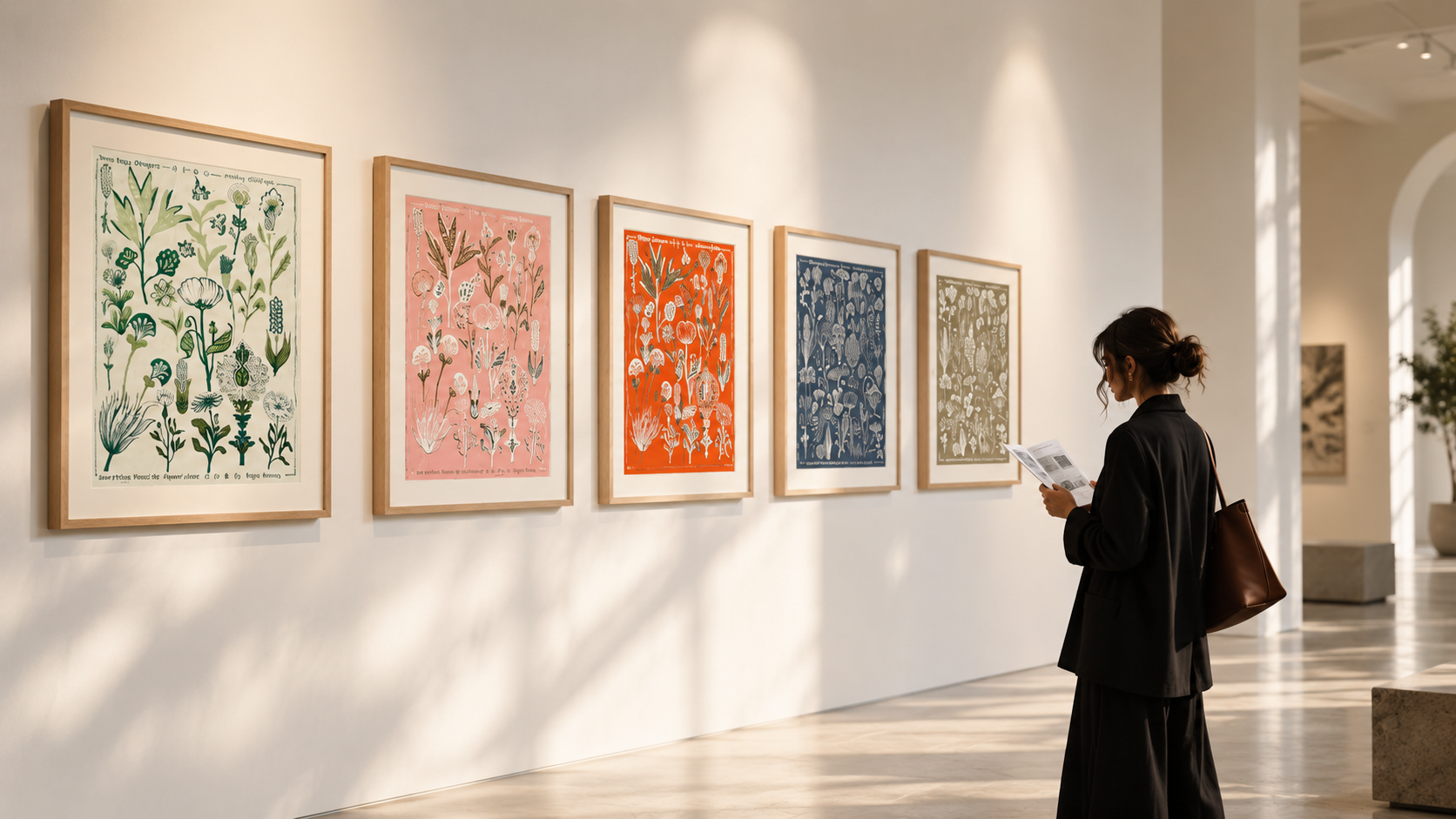
“I like it” is often the first thing that makes us stop in front of an artwork. The eye can make a decision long before the art-historical vocabulary catches up. For someone learning how to choose contemporary art, that first response can lead to better questions: What am I looking at? How was it made? And what am I actually buying? The question is not whether there is a correct way to respond to art, but what makes a particular work hold your attention.
Begin by looking at the artwork itself. The materials and medium used are more than just labels. They influence how the work is created, experienced, and preserved. An oil painting on canvas, a photographic print, or a mixed-media piece each have different physical and visual characteristics. The size of the artwork also plays a role. A 24-inch painting and a 72-inch painting can have very different relationships with the viewer and the space around them.
Now, take a closer look at what you are buying. Is it a unique piece or part of an edition? If it's an edition, the size and number help you understand where your artwork stands within the series. For example, Tate’s limited-edition guide includes edition numbers along with materials and measurements, and authentication might involve an artist’s signature or a certificate. Details like medium, dimensions, Certificate of Authenticity (COA), provenance, and condition may initially seem secondary, but they give us important context that goes beyond what you see at first glance.
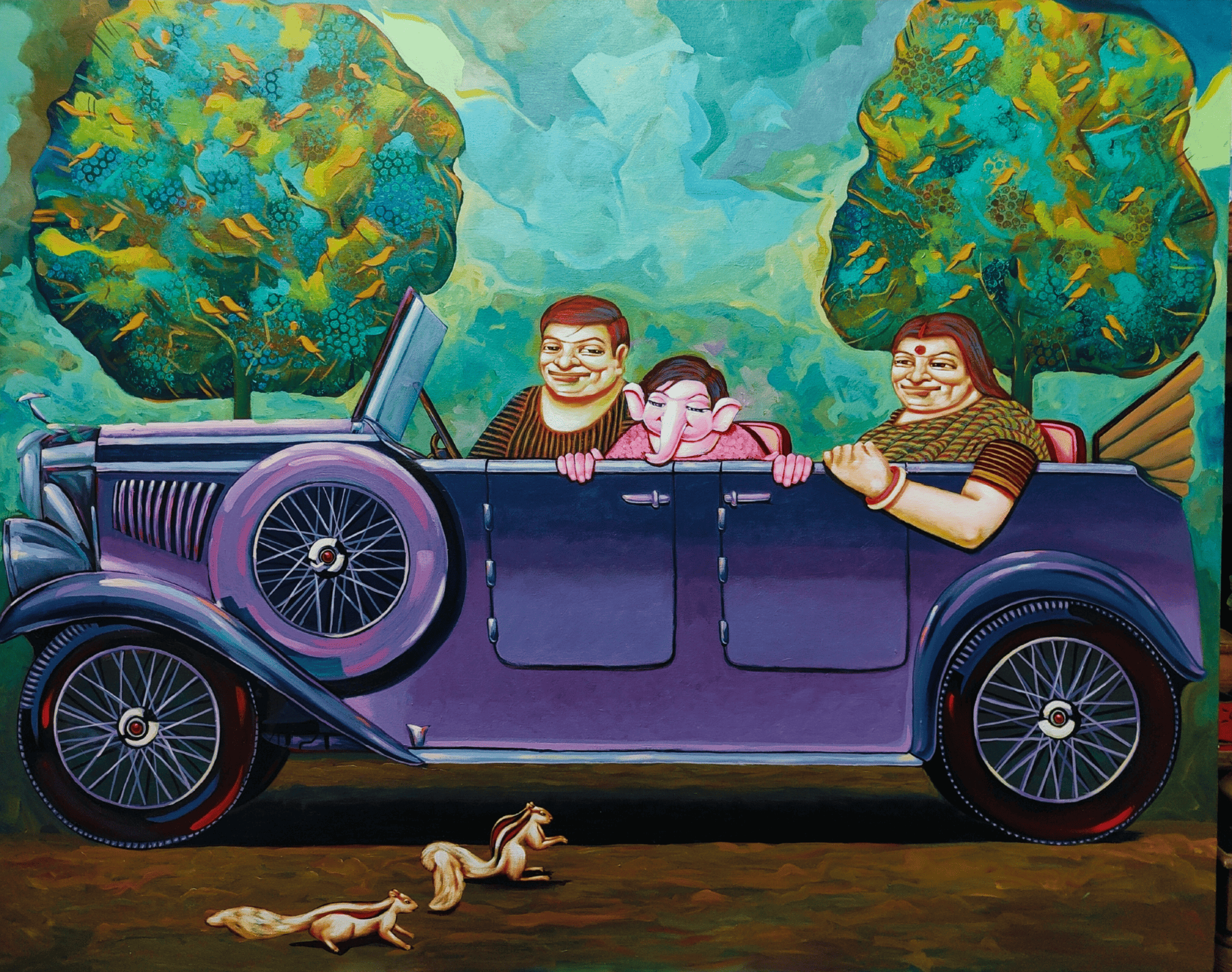
Understanding the artist can also deepen your experience. For instance, Apurba Karati’s paintings are inspired by memories of village life in West Bengal, Indian miniature painting, and Bengal’s folk traditions. His themes become more meaningful when viewed within this wider practice, rather than as isolated images. This is where developing an eye becomes part of collecting. Over time, you recognise the materials, subjects, visual languages and ideas that consistently draw you in.
However, collecting should not become about checking off a list of things. A thoughtful collection does not just start with knowing everything about art. As John Berger wrote in Ways of Seeing (1972), “The way we see things is affected by what we know or what we believe.” Perhaps that is also what makes collecting art so personal. The more we learn to look, the more we understand something about our own way of seeing.